
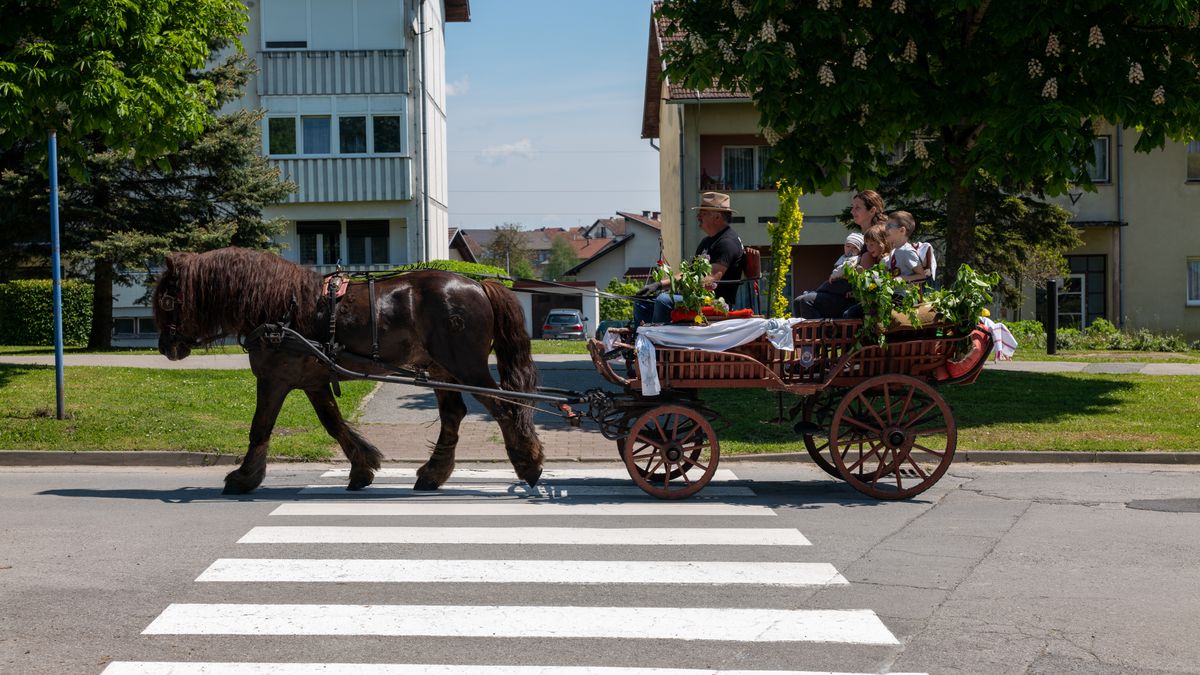
Ask any experienced whip what keeps a carriage horse going through a long season and you will not hear about gadgets or shortcuts. You will hear about routine. A driven horse in regular work thrives on the same daily rhythm: fed at the same hours, groomed properly, checked nose to tail, worked, turned out and rested. Get those basics right and you will have a horse that leans into the traces rather than one that dreads the sight of the carriage.
Most working yards feed between 6am and 7am, and the first job is always water. A horse that has been stabled overnight should have access to clean water before anything else, with buckets scrubbed and refilled rather than simply topped up. Hard feed is then weighed, not guessed. For a horse in moderate driving work, two feeds a day of a balanced mix or cube, split by weight and adjusted for the season, keeps energy steady without the fizzy edge that come from overfeeding starch.
Hay or haylage makes up the backbone of the ration. A 500kg horse in light to moderate work will typically get 8–10kg of forage a day, more if it is on limited turnout. Aim to feed little and often rather than one enormous haynet, which better suits the horse's digestive system and reduces the risk of gastric ulcers in hard-working animals.
Grooming a driven horse is a health check disguised as housework. Begin with the curry comb in circles on muscled areas to lift dirt and grease, then move to the dandy brush for the worst of the mud, finishing with the body brush and metal curry to clean the coat properly and stimulate circulation. Work systematically from the poll to the tail, then do the legs.
Pick out feet and inspect them every day — a bruised sole or a risen clench discovered in the stable is a minor problem; discovered twenty minutes into a drive down a stony lane, it is not. Look carefully at the shoulders, girth area, saddle path and browband line for any sign of soreness or hair loss.
Where harness sits, keep the coat clean and dry. Bits should be rinsed after every use, and the mouth checked for any rubs at the corners. Many drivers also apply a little protective grease or balm to the noseband and blinkers areas in dusty weather.
Harness fails quietly, so check it before every drive, not just before shows. Run the bridle straps through your hands, flexing them to find cracked or perished leather. Look at stitching at stress points — traces, breastplate, girth points, breeching and rein billet straps. Pay attention to the lining that bears against the horse, because that is where sweat and friction do their damage.
Fit matters as much as condition. A collar that presses on the point of the shoulder, a saddle sitting too far forward or breeching that rides high will sour even a willing horse within a few weeks.
Most working carriage horses do best with a mix of structured exercise and genuine downtime. A typical day might involve an hour or two of driving — schooling, roadwork or a job — bracketed by turnout in a paddock or restricted yard. Turnout lets a horse roll, stretch, graze and behave like a horse, which does more for soundness and attitude than any amount of stabling.
Build a rest day into every week, and after a heavy day of commercial work or a long show, give a lighter day that follows. Legs benefit from movement rather than confinement, so gentle walking turnout is often better than a day boxed up. Watch for the early warning signs: reluctance to move forward, ears back when harness comes out, a shortened stride behind. Horses rarely complain loudly; they whisper first.
The evening is for settling. Skip out, refill water, provide the main hay ration, and check legs once more for any heat or swelling that has developed during the day. Groom lightly to clean off sweat and mud, rug according to temperature rather than habit, and leave the horse quiet and undisturbed.
Adjust with the seasons rather than sticking rigidly to a routine that no longer fits. In spring, restrict grazing on rich grass for good doers and laminitis-prone animals. In summer, work early or late to avoid the worst heat and flies. In winter, increase forage as the thermometer drops, and take care on frosty or icy roads — road nails, sensible pace and a watchful eye keep everyone safe.
Consistency, cleanliness and close observation are the whole craft. Do these things daily and the horses repay you with soundness, willingness and the steady, generous temperament that has kept carriage driving part of British rural life for centuries.

Hi, my name is Anthony kuber. I am artist and fashion designer.
I love to travel and writing blogging.
Your email address will not be published. Required fields are marked *
Software Developer & Writer
Hey, I'm Diva, a developer and writer blending code and creativity. I'm driven by a deep curiosity and a relentless pursuit of excellence. Join me as I craft digital solutions and captivating stories.


