
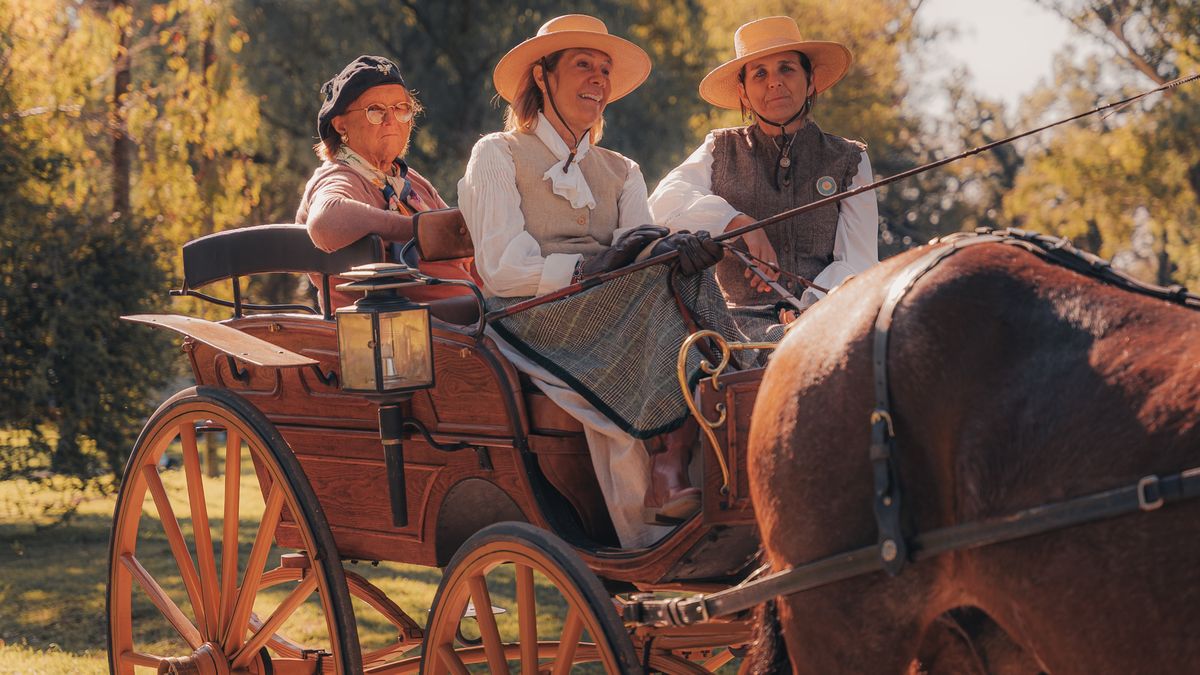
A horse-drawn carriage arriving at a wedding is one of the most quietly magical sights in the British countryside. But behind that calm entrance lies a timetable, a route plan and a good deal of harness cleaning. Planning transport properly keeps the horses relaxed, the carriage intact and the couple smiling.
Before you think about which carriage or which pair, speak to the venue. Ask where a horsebox can park, turn and wait. Many wedding venues have tight gateways, cattle grids, low branches, gravel drives or a marquee on the only flat ground. Visit at the same time of day as the wedding if you can, and drive the route in a car first. Note passing places, steep hills, narrow bridges and any road closures. Check whether the venue allows horses on the lawn, and whether the ceremony site is a five-minute walk or a half-mile drive from the unloading point. If the carriage cannot reach the ceremony, plan a short drive to a nearby lane and a walking escort.
Horses do not hurry, and wedding schedules rarely run early. Work backwards from the ceremony time. Allow 20 minutes to load calmly, then add travel time plus a 20-minute buffer. A horsebox or trailer rarely averages more than 30 mph on rural roads, and a 10-mile journey can easily take 40 minutes. On arrival, allow 15 minutes to unload, check harness, water the horses and let them settle. After the ceremony, build in time for photographs, but keep the horses in shade and offer hay. If the carriage is to take the couple to the reception, plan a separate route that avoids the main guest traffic. Give the driver a written timetable and a phone number for the venue coordinator, the photographer and the head groom.
Most traditional carriage driving on public roads does not need a special permit, but you must follow the Highway Code and any local traffic regulation orders. Some councils require permission for a procession or for stopping on a double yellow line. If the route crosses a common, a bridleway or private land, get written permission from the landowner. The venue may ask for public liability insurance and a risk assessment. Every horse travelling in the UK must have a valid equine passport available for inspection. If you are hiring a carriage, the owner will usually provide insurance documents. Check that the driver holds the correct licence for the vehicle combination, and that the horsebox is taxed, MOT'd and insured for wedding work. Carry these essentials in the support vehicle:
Practise loading the week before, not on the morning. Use a familiar lorry or trailer with a non-slip ramp, and travel with a companion horse if possible. Load the carriage first if the vehicle allows, then the horses, or use a separate carriage trailer. Secure the carriage with ratchet straps over the axles, not the spokes, and pad any painted surfaces. During travel, offer hay but not a full haynet, and stop every hour to check the horses. On arrival, park on level ground, lower the ramp, and let the horses stand quietly before unloading. Recheck harness points: traces, breeching, breastplate, girth, curb chain and rein clips. A calm arrival is worth more than a fast one.
Traditional harness is a working heirloom, and weddings are its finest outing. Clean leather with saddle soap and warm water, then feed it with a good leather balm. Polish metal work with a soft cloth, and check every stitch, buckle and keeper. Pay attention to the bit, curb chain and noseband, and replace any cracked leather before the day. Store harness in a dry, ventilated tack room, hung on proper pegs, never in a damp horsebox overnight. This care is part of the heritage you are sharing: the quiet click of a well-oiled trace, the jingle of a curb chain, the sight of a horse in a polished collar on a country lane. Drive considerately, slow for walkers and cyclists, and thank drivers who wait. That goodwill keeps carriage driving welcome in the countryside.
Have a plan B for heat, rain and wind. Above 25°C, travel early, use shade and reduce the pace; in heavy rain, check the carriage hood and use waterproof harness covers. If a horse goes lame or becomes distressed, stop and call the vet; never force a horse to continue for the sake of photographs. Keep a spare rein, a spare trace, a hoof pick, a first-aid kit and a flask of water in the support vehicle. If the horsebox breaks down, have a recovery number and a local equine transport contact. If the route is blocked, know an alternative lane. And always brief the wedding party: no confetti near horses, no drones overhead, no balloons, and no running up behind the carriage. With those safeguards, the carriage can arrive as it should — unhurried, gleaming and quietly unforgettable.

Hi, my name is Anthony kuber. I am artist and fashion designer.
I love to travel and writing blogging.
Your email address will not be published. Required fields are marked *
Software Developer & Writer
Hey, I'm Diva, a developer and writer blending code and creativity. I'm driven by a deep curiosity and a relentless pursuit of excellence. Join me as I craft digital solutions and captivating stories.


