
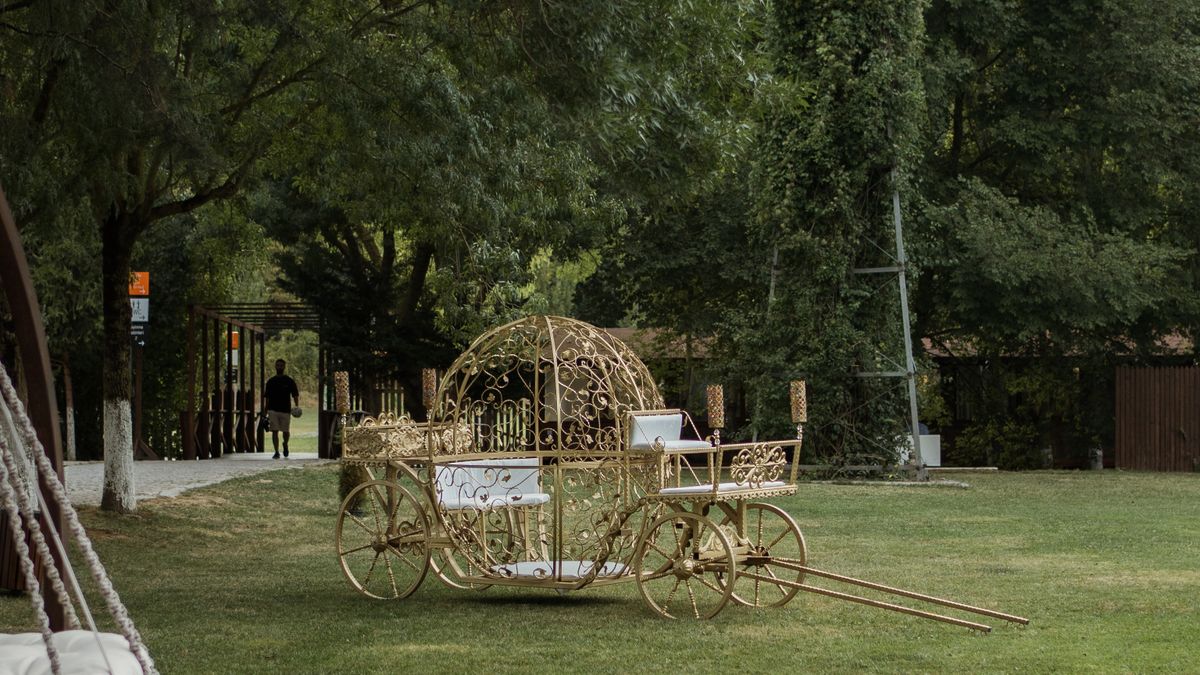
Traditional carriage driving asks a great deal of leather. A harness that has been out in a November drizzle, splashed through a muddy gateway or worn against a sweating horse is not simply dirty; it is under attack. Damp encourages mould, while summer sun and heated tack rooms draw out the natural oils that keep leather supple. In the UK, with our changeable seasons, a little regular care is far easier than a major restoration. The aim is simple: clean after every wet outing, condition only when needed, and store your harness where air can move around it. Do that, and a well-made set will outlast several horses and carry the quiet beauty of rural heritage into another generation.
If your harness is wet or muddy, deal with it before you sit down with a cup of tea. Mud holds moisture against the leather and can hide grit that abrades stitching. Use a clean sponge and lukewarm water—never hot—and wipe each strap, paying particular attention to the parts that touch the horse: the girth, breeching, breast strap and traces. Rinse the sponge often. For greasy sweat, a little saddle soap on a damp sponge is enough; work up a light lather, then wipe clean with a fresh damp cloth.
Dry the harness naturally. Hang it on a wooden rack or padded hook in a cool, airy place, away from radiators, woodburners and direct sunlight. If the leather is sodden, blot it first with a dry towel, then let air do the rest. Never force the drying with heat, and never leave wet straps folded or coiled tightly—creases become cracks. Once dry, wipe metal fittings with a soft cloth and apply a trace of oil to buckles and bits to keep rust at bay.
Twice a year, in spring after the worst of the mud and in autumn before the wet months return, give your harness a proper strip-down. Take every piece apart, lay the straps flat and clean each one individually. A soft brush and saddle soap will lift ingrained dirt from stitching and creases. Avoid soaking leather in buckets; it swells the fibres and weakens the structure. Instead, use a damp sponge, rinse it frequently, and wipe away all soap residue.
Spring cleaning should focus on mud and winter sweat, while autumn is your chance to remove summer dust and check for early mould. If you spot fuzzy grey or green patches, wipe them with a cloth dampened with a diluted white vinegar solution—one part vinegar to four parts water—then dry thoroughly and condition. Mould spores are always present in rural air; the trick is to deny them the damp conditions they need.
Leather needs fat and oil to stay flexible, but too much is worse than too little. Over-conditioned leather becomes flabby, stretches and can rot stitching. Choose a purpose-made leather balm or conditioner, warm a small amount in your hands and work it into the leather with your fingers. Pay attention to the flex points: cheek pieces, rein ends, trace loops and the bends around buckles.
Good storage is as important as good cleaning. A traditional tack room should be dry, well ventilated and out of direct sunlight, with a stable temperature—ideally between 10°C and 18°C—and humidity around 40 to 60 per cent. Avoid damp stone walls and concrete floors, which wick moisture into leather. Use wooden racks or padded metal hooks rather than bare wire, and hang bridles by the crownpiece so the straps fall naturally. Coil reins loosely and hang them, or lay them flat; never store them tightly looped. Collars and breast collars sit best on shaped stands or padded pegs.
Never put harness into sealed plastic bags or airtight boxes. Leather needs to breathe, and trapped moisture is an invitation to mould. If you must protect against dust, use a breathable cotton bag or an old pillowcase. Check stored harness once a month, especially during damp autumn and winter. A quick wipe with a dry cloth and a glance at the buckles will catch problems early.
As you clean and store your harness, inspect it with the same care you would give your carriage. Run your fingers along every strap, feeling for cracks, thin patches or loose stitching. Check buckles for wear, rivets for tightness and bit rings for rust. Replace anything suspect before it fails out on the road. This quiet ritual—sponge, balm, rack—is part of the heritage of carriage driving, a craft of patience that keeps leather alive and safe. Do it season by season, and your harness will be ready whenever the horses are.

Hi, my name is Anthony kuber. I am artist and fashion designer.
I love to travel and writing blogging.
Your email address will not be published. Required fields are marked *
Software Developer & Writer
Hey, I'm Diva, a developer and writer blending code and creativity. I'm driven by a deep curiosity and a relentless pursuit of excellence. Join me as I craft digital solutions and captivating stories.


