
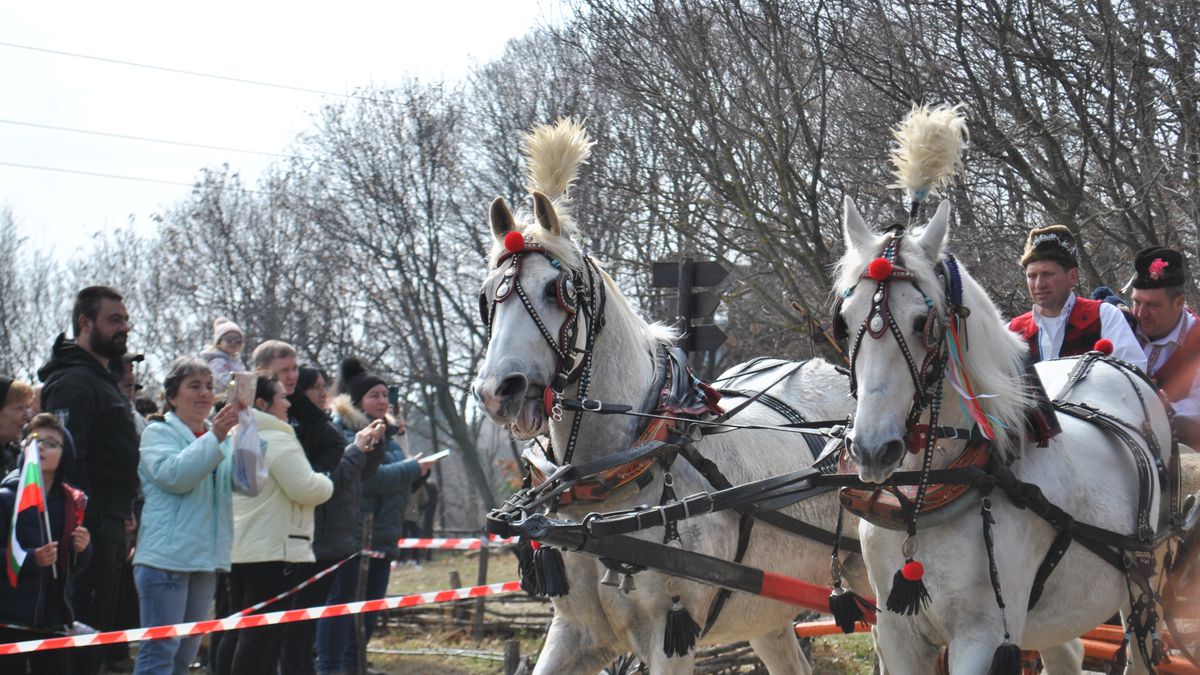
There is something quietly satisfying about the creak and roll of a carriage moving down a country lane behind a pair of steady horses. But a carriage is a machine, and like any machine it repays attention. Most of the expensive repairs that come through a workshop were avoidable six months earlier with a torch, an oil can and twenty minutes of curiosity. New owners often spend their first season worrying about the horses, which is entirely right, but the carriage underneath them deserves the same regular glance.
The good news is that a carriage is refreshingly honest. Almost everything that matters to your safety, and to your wallet, is visible from the ground and can be checked with a rag and a spanner. What follows is a simple routine you can build into your week.
Before you ever put a horse between the shafts, walk slowly around the vehicle with a torch, even in daylight. Kneel down and look underneath. You are looking for the earliest signs of trouble: a drip of grease, a flake of rust, a split in a leather gaiter, a nut that has started to turn.
This is where carriages quietly wear out. If your axles have grease nipples, give them two or three strokes of a good lithium or graphite grease every few weeks in use, and after any outing in wet weather. Older vehicles with brass bushes and felt washers prefer oil, applied until it begins to weep from the joint, which tells you the oil has reached the bearing surface.
Excessive end play is the enemy. Lift each wheel slightly and rock it side to side and in and out. A little movement is normal on some designs, but a distinct clunk suggests worn thrust washers, a tired bush or a loose collared axle nut. Left alone, play hammers the axle arm and turns a cheap bearing job into a major one. Check the axle caps or hub caps for a good seal, since water sitting inside a bearing does more damage in one winter than a decade of dry driving.
A brake is only as good as its adjustment. Check the blocks for even wear and glazing, and replace them before they are down to the metal backing. Test the ratchet and pawl by pulling the lever slowly through each notch; the pawl should engage cleanly and hold under load, not skip or jam. If the pawl spring feels weak, renew it. It costs very little.
Adjustment matters as much as condition. A rod set too slack gives you a lever that travels to the last notch with little effect, while one set too tight will drag the wheel and heat the hub. Aim for the lever to bite firmly about halfway through its travel. On steep hills, carry a drag shoe or skid and know how to use it, particularly with iron-tyred wheels on wet tarmac.
Tap each spoke and listen. A dull thud where its neighbours ring true often means a loose or split spoke, and loose spokes let a wheel distort under load. Check the rim for cracks and the tyre for play, whether it is a shrunk-on iron tyre, a banded rubber tyre or a pneumatic. Pneumatic tyres should be checked fortnightly; a soft tyre ruins the rim and puts needless strain on the horses.
Timber shrinks and swells with the seasons, so a small split in the varnish is a doorway for water. Renew paint and varnish before the winter, paying attention to the underside, wheel arches and the tops of panels where water sits. Treat any soft wood early. Check the springs for a broken leaf or a rusted-through shackle, and keep the floorboards dry, since rot starts beneath the matting and is only noticed when it becomes a hole.
Storage does as much for a carriage as any spanner. A dry, ventilated coach house with the vehicle standing clear of a damp floor will spare your axles, your paint and your harness. Lift the weight off the wheels where you can, support the shafts, and cover with a breathable sheet rather than a plastic tarpaulin that traps condensation. Rodent damage to leather and wood happens quietly and quickly; a regular look around the coach house will catch it.
Harness care belongs in the same routine. Clean and feed leather regularly, check every stitch line, buckle and billet, and inspect traces, reins and check straps for cracking or stretched holes. Metalwork should be polished not for appearance alone but because rust under a buckle is where breakages begin. A five-minute inspection before every drive is the cheapest insurance you can buy.
Keeping a simple log of checks, greasings and repairs will soon tell you what your carriage needs and when. Beyond the practicalities, there is something worth preserving here: the skills of the wheelwright, harness maker and coachbuilder that still sit behind every well-kept turnout. Drive regularly, check honestly, and your carriage will serve you, and the next owner, for many seasons yet.

Hi, my name is Anthony kuber. I am artist and fashion designer.
I love to travel and writing blogging.
Your email address will not be published. Required fields are marked *
Software Developer & Writer
Hey, I'm Diva, a developer and writer blending code and creativity. I'm driven by a deep curiosity and a relentless pursuit of excellence. Join me as I craft digital solutions and captivating stories.


