
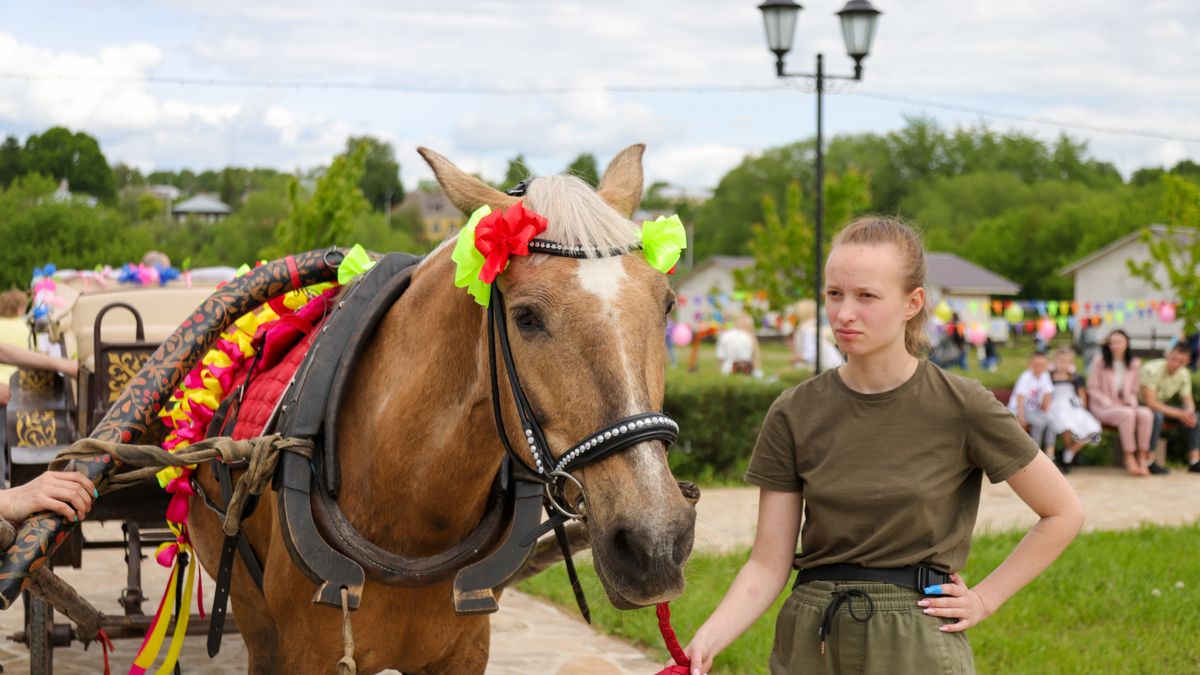
Anyone who keeps a working horse through a British winter knows that mud is not merely an inconvenience — it is a management problem with real consequences. For carriage horses, which often stand for long periods while harness is adjusted and passengers are seated, wet legs and heels can quickly turn into cracked skin, greasy heel or worse. The aim is not to keep the horse spotless, but to keep the skin beneath the mud healthy and dry enough to cope.
Start with the gateway areas: a well-drained standing pad outside the stable, a gravel or bark apron at the field gate, and a hard-standing area where the horse can be tied and groomed without sinking. If you can control where the mud is, you control most of the problem. Field shelters should be bedded generously with straw or shavings so that horses have somewhere genuinely dry to lie down and rest their feet.
When it comes to the legs themselves, resist the urge to hose off mud every evening unless the horse is genuinely filthy. Repeated wetting and drying strips natural oils from the skin. Where mud is light, let it dry and brush it off. Where it is heavy, particularly on the heels, wash with warm water and a mild antiseptic, then dry thoroughly with a towel before applying a barrier cream. Never rug a horse with wet legs and turn it out into a cold wind — the combination of damp and draught is what causes trouble.
Clipping is never a purely aesthetic choice for a carriage horse. A horse in regular work will sweat heavily under harness, particularly across the shoulders, girth area and flanks, and a thick winter coat holds that moisture against the skin for hours afterwards. A wet horse chilled by a January wind is a recipe for stiffness and lost working days.
A trace clip or blanket clip suits many driving horses in light to moderate work. It removes hair from the areas that sweat most while leaving the back, loins and hindquarters protected. Horses in hard, fast work — perhaps hunting, funerals or regular commercial carriage duties — may be better served by a full clip, provided you are prepared to rug accordingly and the horse has somewhere warm and draught-free to live.
Timing matters. Clip on a mild, dry day, ideally after the horse has been exercised and is clean and dry. Take your time, keep blades sharp and cool, and leave a little more hair than you think you need on the first pass. You can always take more off, and a nervous horse handled calmly will stand far better next time. If you are unsure, ask an experienced clipping professional or an equine vet — and remember that a fully clipped horse needs daily rugging discipline, not just on the coldest days.
Waterproof turnout rugs have transformed winter horse management, but they only work if they fit properly and are checked daily. A rug that slips sideways will rub the shoulders, and a rug that is too tight across the chest will restrict the shoulder action that carriage work demands. Look for a generous shoulder gusset and a neck cover that sits without pressing on the withers.
Layering gives you flexibility. A lightweight no-fill turnout over a fleece or a 100g liner lets you adjust for a mild, wet day or a bitter one without owning six different rugs. For horses that live out, a minimum of 100g fill is sensible through the worst of the winter; for stabled horses, a stable rug with a breathable outer is kinder to the coat than a turnout worn indoors.
Take rugs off at least once a day. Check for rubs, damp patches and heat under the rug, and feel the ears and the base of the ears — not just the body — to judge whether the horse is genuinely warm. A horse that is too hot will sweat under its rug, and a damp horse is colder than a dry one. Keep spare rugs dry and rotate them so that each has a chance to air and dry fully between wears.
Harness exposed to rain, road salt and mud will deteriorate fast unless it is dried and cleaned with discipline. The golden rule is simple: never leave wet leather to dry in front of a direct heat source, and never put damp harness away in a closed box or tack room. Heat draws the natural oils out of the hide and leaves it brittle; damp storage encourages mould and weakens stitching.
After every wet drive, wipe the harness down with a clean cloth wrung out in warm water, paying attention to the undersides of straps, the inside of the bridle, and anywhere the leather folds. Hang it in a cool, airy place with good circulation — a harness bracket on a wall with space around it is ideal. If you have a drying room, keep the temperature moderate and the air moving.
Bits, buckles, terrets and quick-release mechanisms all benefit from a wipe-down and a drop of oil after wet work. Salt and grit cause corrosion quickly, and a stiff buckle is a safety issue, not just an annoyance. Check your pad and numnah daily — a wet, muddy pad left against the back will cause rubs and soreness, so keep at least two in rotation and wash them regularly with a mild, non-biological detergent.
Bridle path and shoulder cleanliness matters more in winter than many drivers realise. Mud and grease trapped under leather create friction, and friction in cold weather leads to sores that are slow to heal. A quick groom before harnessing, and a proper check of the skin afterwards, will catch most problems before they develop.
Winter is when the quiet, unglamorous work of carriage driving really shows: the patient drying of reins, the daily rug check, the slow walk around a muddy field to check fencing. These habits are the practical expression of a craft passed down through generations of grooms, coachmen and working farriers, and they are worth protecting as carefully as any antique whip or restored landau.
Take the opportunity in the darker months to learn something new — a harness repair course, a day spent with a master saddler or an experienced whip, or simply reading about the traditions of your local driving club. Share the knowledge generously with newcomers, invite help with the evening stables, and keep the standards high. A horse that is warm, dry and well turned out in February is a credit to the person who cares for it, and the skills you practise now will carry the tradition forward into the next season and beyond.

Hi, my name is Anthony kuber. I am artist and fashion designer.
I love to travel and writing blogging.
Your email address will not be published. Required fields are marked *
Software Developer & Writer
Hey, I'm Diva, a developer and writer blending code and creativity. I'm driven by a deep curiosity and a relentless pursuit of excellence. Join me as I craft digital solutions and captivating stories.


